
{主关键词}
妒海
荧屏述初心 福彩绽芳华 泰州泰兴两名福彩站主亮相全国福彩直播_我的网站

A | 7月11日晚21时18分,中国福彩官方《福彩开奖》直播栏目中,泰州泰兴市32120580站点业主成冬红、32120538站点业主陆建康亮相银屏,在全国平台分享扎根一线、践行公益的福彩奋斗故事。
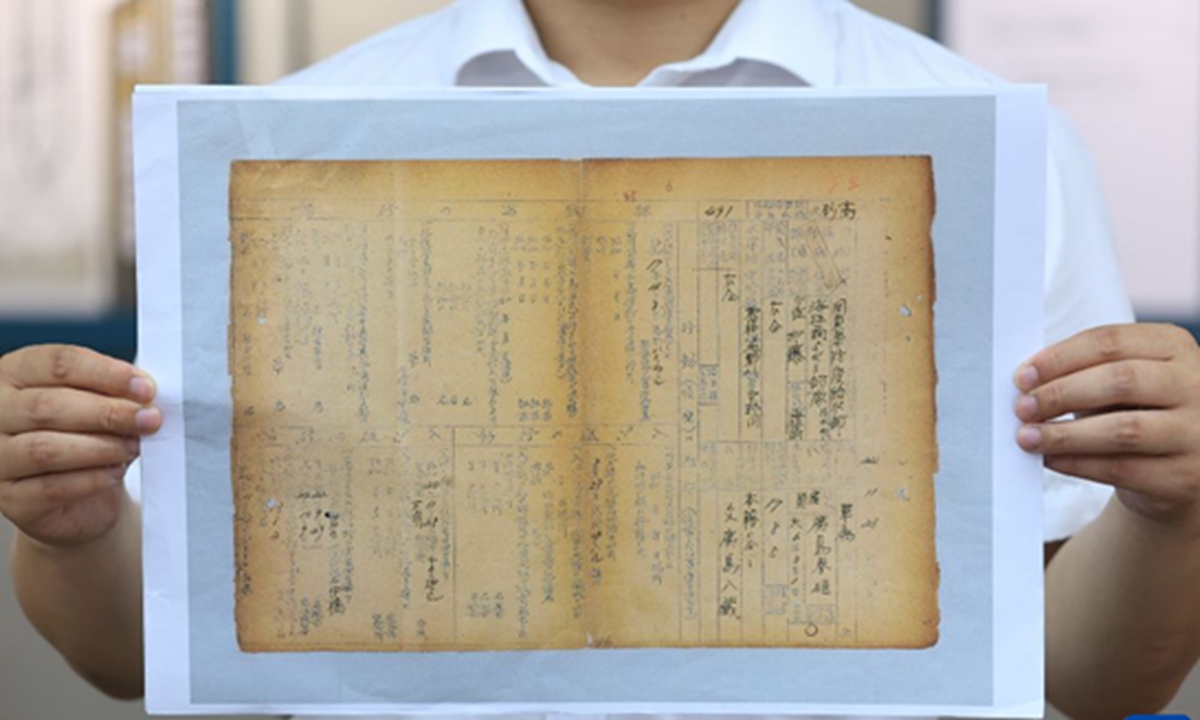
Newly released wartime records from the Hailar branch of Japan's notorious Unit 731 reveal how the Japanese military disguised biological warfare personnel as conventional infantry troops to conceal secret operations, including human experimentation.
The Exhibition Hall of Evidences of Crime Committed by Unit 731 of the Japanese Imperial Army released on Wednesday a 185-page archive of "personal background declaration" from the Hailar branch of Unit 731, also known as "Manchuria Unit 543". The documents show that the Japanese military concealed its biological warfare operations under the guise of conventional infantry units and shed new light on the Soviet Union's continued efforts after World War II to investigate and prosecute Japanese biological warfare crimes.
Unit 731 was a top-secret biological and chemical warfare research base established as the nerve center for Japanese biological warfare in China and Southeast Asia during WWII. At least 3,000 people were used in human experiments conducted by Unit 731, and more than 300,000 people in China were killed by Japan's biological weapons, according to the Xinhua News Agency.
The Japanese Kwantung Army established five branches of Unit 731 in Northeast China - in Hailar, Sunwu, Mudanjiang, Linkou and Dalian. Located in the northeastern part of the Inner Mongolia Autonomous Region, near China's borders with Mongolia and the Soviet Union, the Hailar branch served as a frontline base of the Japanese imperialist army for potential biological warfare operations against the Soviet Union.
The newly released 185-page archive contains key information on 156 members of the Hailar branch of Unit 731, including their names, military ranks, dates of enlistment, duties, transfers and postwar whereabouts. Researchers said the documents constitute first-hand official records for studying the branch's personnel structure and operations.
Jin Shicheng, a researcher at the Exhibition Hall, said the study produced two major findings. First, the documents reveal that the Japanese military recruited personnel under the cover of ordinary infantry units to conceal biological warfare activities. Some personnel, for example, were recruited under the names of conventional units such as Manchuria Unit 97, Unit 177 and Unit 201. They were then sent to Unit 731 headquarters for three months of training before being assigned to the Hailar branch. The deceptive recruitment system was intended to conceal the crimes committed by Unit 731, including human experimentation.
Moreover, the archive provides evidence of continued postwar investigations into Japanese biological warfare crimes. Of the 156 personnel listed in the documents, 145 were captured by Soviet forces after the war and detained in the Soviet Union. Four were tried in Khabarovsk between April and September 1950. The researcher said the records show that Soviet investigations and judicial efforts concerning Japanese biological warfare crimes continued after the trial held in 1949.
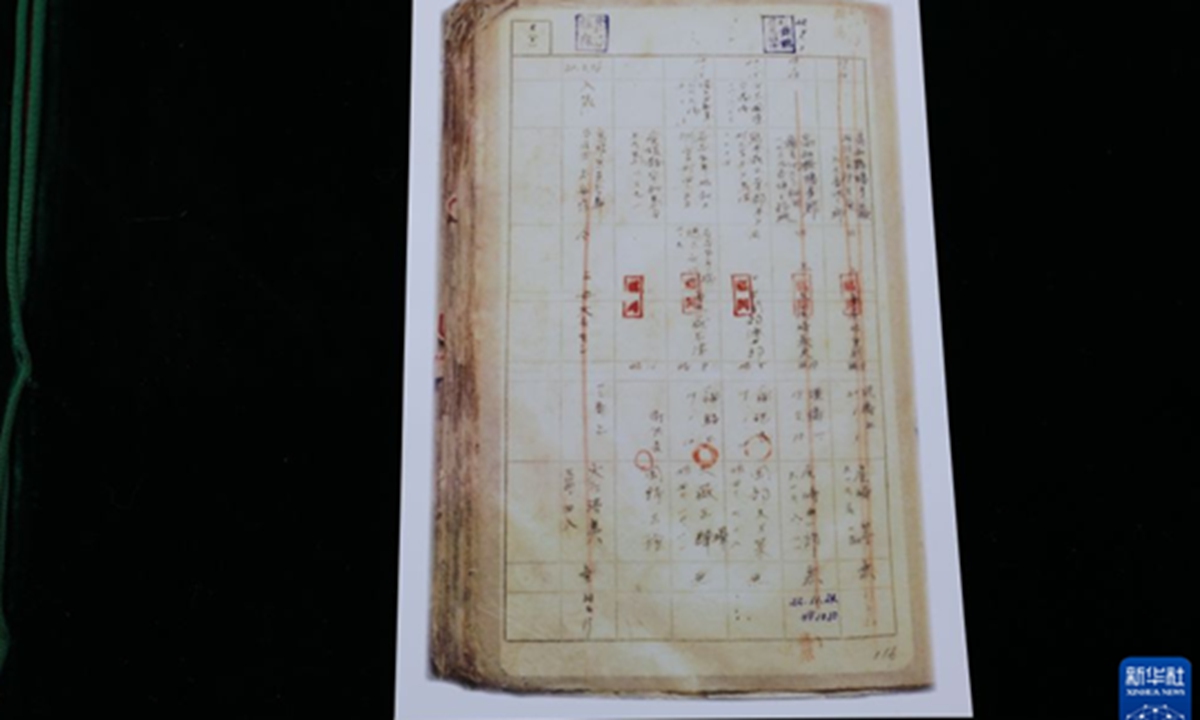
A photo published by Xinhua showed a record on medic Tanizaki Hitoshi in the "personal background declaration" records of Unit 731's Hailar branch. Tanizaki, originally named Ozaki Hitoshi, is documented in historical records that, together with his oral testimony, form a chain of evidence further substantiating the crimes committed by Unit 731.
Experts said the new revelation of the Hailar branch deepens research into Unit 731 and, together with previously obtained oral testimony from former members, form a broader chain of evidence. The official records exposed the efforts by the Japanese military to disguise their crimes against humanity and provided further evidence of the state-organized system behind Japan's biological warfare program, while adding important material to research on Unit 731 and postwar prosecutions.
Global Times
。兴燕路32120580站点业主成冬红经营福彩已有五年。从业以来,她严守行业规范,主动升级店内硬件设施,用心为彩民打造整洁舒适的购彩环境。此外,成冬红每月固定参加养老院志愿服务活动,门店内长期为户外工作者提供免费饮水、休息座椅,用点滴善意把小店打造成传递温暖的城市暖心驿站,五年风雨坚守,尽显基层福彩人的温情担当。

B | 32120538站点业主陆建康深耕福彩行业多年,即便历经市场波动、经营低谷,依旧坚守初心、深耕一线。他秉持以彩民为中心的服务理念,用心、用情服务购彩者,积极引导理性购彩。同时,主动当好福彩公益宣传员,常态化向群众讲解福彩公益金的民生用途,让大众读懂彩票背后的公益价值。

C | 向善履职、坚守初心,是福彩人的共同底色。一直以来,泰兴福彩队伍人才辈出、标杆频现,队伍中既有专业过硬的全省福彩内训师,也有获评全省最美福彩人的先进典范,更有登上省内主流媒体、广受社会赞誉的诚信经营标杆,全体从业人员始终坚守合规底线、践行公益使命,展现出泰兴福彩人爱岗敬业、诚信向善、热心公益的优良精神风貌。下一步,泰兴福彩人将继续深耕公益服务赛道、积极传播福彩正能量,以全员聚力、久久为功的奋进姿态,擦亮泰兴福彩诚信公益品牌,助力全市福彩事业高质量发展。
Current article:http://s3iv3s7.shengyaodanrongchui.buzz/list_jpa/khu5.html
Published on:01:18:29
- 84431UK ex-pilots helping Chinese military?
- 961778【研报观点】8月26日橡胶最新观点汇总
- 463751乐鑫科技:有望获得更多成本敏感型项目的导入机会
- 9286018区纪委监委:以强监督守护学生“盘中餐”
- 758适老化服务让老人“幸福满格”
- 366抱团拓市场 山西中部五市赴京推介文旅资源,抱团拓市场 山西中部五市赴京推介文旅资源
- 2655771走进“七夕赴佳约·汉东觅知音”青年人才联谊活动
- 3663736 killed in Venezuela landslide
- 3171从岛内热捧大陆电影到两岸影业深度交流:“光影同舟”前景无限!
- 77980829년 세월의 마지막 운행
- 7586REDMI 17C 5G海外正式发布:6.9英寸120Hz高刷LCD屏+天玑6300
- 4116《GTA6》"高跟鞋"内部尺度太大!
- 18679China develops direct test for rare earth impurities
- 972832这台卖2000元的翻盖手机,真有点好看啊
- 2679396邮报:沃特金斯将转会利雅得新月,球员与俱乐部关系不佳+罢训
- 839多特声明:“50+1规则”是德国足球核心支柱,契合会员主导的文化
- 7136124False alarm: Institute apologizes for initially issuing 7.7-magnitude earthquake alert in Sichuan for much smaller jolt
- 579兴城安居小区——自办春晚二十一年 睦邻情暖满家园
- 35102026款零跑C16预售16.98万起 增程纯电续航提升至280km 增5座版本
- 906立中集团:上半年净利润5.77亿元,同比增长43.81%
- 109英伟达财报即将登场!高盛:若不释放这三大利好 股价恐仍将下行
- 51198कानपुर में जीटी रोड पर जलभराव और गड्ढे, मेट्रो के डिवाइडर तोड़ दिला रहे समस्या से निजात
我的网站热门国内
- Copyright @ 2016-2017 我的网站 版权所有